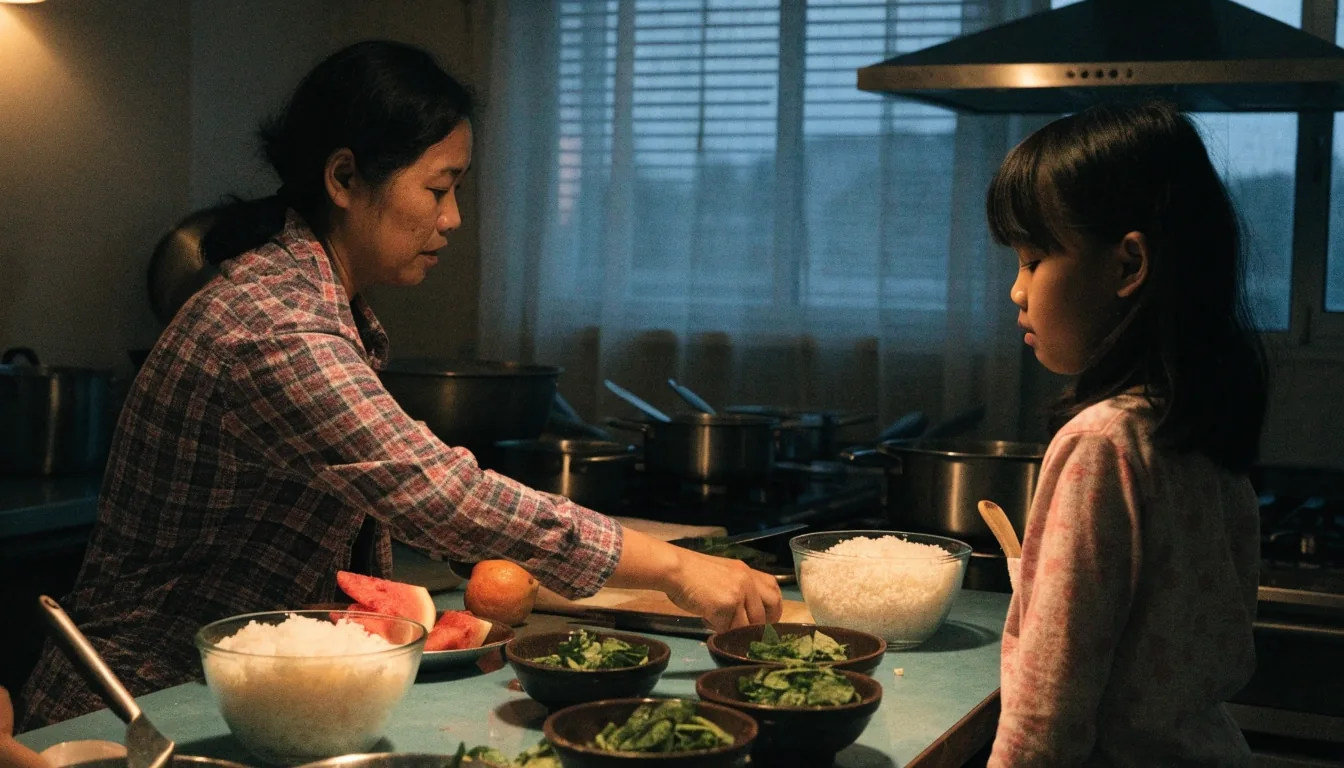
Online nutrition consultation
Online Nutrition Consultation With Registered Dietitians
Record what your household already eats, then work through a written meal plan with an ahli gizi, built around your kitchen, your budget and your week.
Before the session
What an online konsultasi gizi actually is
A consultation here is a structured conversation, not a chat window you have to fill with guesses. You complete an intake form covering daily pola makan, meal timing, household size, and any food preferences or restrictions.
Before your scheduled session, the dietitian reviews your food diary and intake answers so the call starts with content instead of introductions. The same ADIME structure used in Indonesian nutrition practice guides the notes: assessment, diagnosis, intervention, monitoring, and evaluation. That means you leave with a written plan, not a vague suggestion to eat more vegetables.
- Assessment and diagnosis
- Your diary and intake answers set the starting point
- Intervention and monitoring
- A written plan you keep, adjust and bring back
- What you bring
- Two or three days of honest notes, rough portions fine
- What you take away
- A summary of what to change first and what can wait

Who this is built for
Families in Makassar, Jakarta, Surabaya, and smaller cities across the archipelago use this service because travel to a clinic is not always practical. Parents managing meals for children and older adults in the same household often book first. Adults adjusting their porsi makan after a health check come next. University students and remote workers who eat away from home also register regularly.
You do not need a diagnosis or a doctor's note to start. You need a rough record of what a normal week looks like in your house.
- Families Several diets and tastes in one kitchen, one plan to run the week
- Adults Adjusting portions and habits after a routine health check
- Students Eating away from home, ordering in, and cooking rarely
Start with the formulir pendaftaran
The registration form asks for your contact details, your city, the number of people you want covered, and a short description of your goal. Keep it plain: a sentence about planning weekly meals for two adults and one child who dislikes fish is more useful than a general statement about eating better.
If you have a food diary for the past three days, paste it in. If you do not, write what you remember and note the gaps. The dietitian will work with either version. Registration is reviewed before a slot is confirmed, so the goal you describe is checked against what a nutrition consultation can reasonably address.
- Office
- Jl. Ahmad Yani No. 99, Makassar, Sulawesi Selatan, 90142
- Phone
- +62 411 362 5500
- [email protected]
- Consultation hours
- Monday to Friday, 09:00–18:00
Book a consultation slot
Fields marked with an asterisk are needed before a dietitian can review your case. Everything else helps the first session start further along.
A conversation that ends with a written plan
Nothing about this closes on a vague recommendation. You leave each session with named dishes, rough quantities, and one item to run for the coming week. Plans change as your habits change, and follow-up is where most of the useful work gets done.
This is nutrition education and meal-planning support, not medical treatment. Sessions stay focused on food, habits, and portions.
Choosing your session format
Two main formats are available, and the right one depends on how much detail your situation needs. Both use the same intake form and both produce a written summary you can keep.
Scheduled video session
Best for a full week of meals
Suits families planning a whole week, people working through a new dietary routine, or parents coordinating several diets in one kitchen. You talk through the food diary together and leave with the plan written.
- Live discussion of the diary while the dietitian has it open
- Questions answered in the moment, follow-ups noted down
- Evening slots available for households where both adults work daytime hours
Written consultation
For follow-up and small adjustments
Good for questions on a plan you already have, a short tune-up of portions, or anyone in a different time zone who cannot hold a live slot.
Shared by both
- One intake form
- A written summary
- A record you can revisit
If your week changes, you can request a different jadwal konsultasi through the contact page. Each dietitian handles a limited number of cases at once so the review step can confirm your goal fits what a nutrition consultation can reasonably address. If it does not, you will be told directly and pointed toward what would help instead.
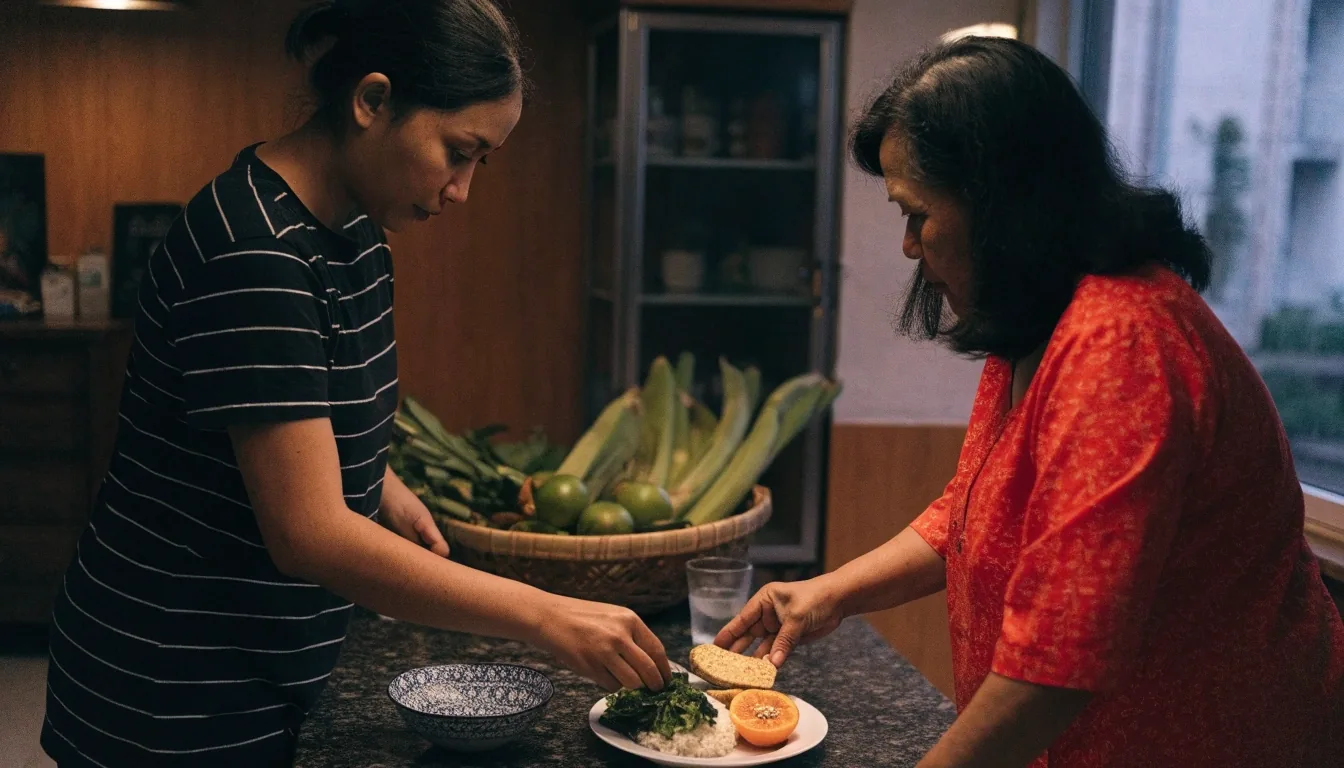
What a meal plan from a dietitian contains
A plan built for Indonesian kitchens does not need imported ingredients. Expect local staples, seasonal vegetables, and portions matched to your household rather than a generic calorie chart. Your plan names dishes and rough quantities, notes where to add protein or fibre, and flags the meals where you usually slip.
Food diaries from previous weeks feed into the next plan, so the document changes as your habits change. Nothing is fixed permanently. Adjustments are normal, and a follow-up session is often where the plan finally fits your routine.
Preparing your food diary
Use one page per day, or one note on your phone. Patterns matter more than precision at this stage. Two or three days of honest notes will teach your dietitian more than a week of guessed measurements.
- Meals
- What you ate, roughly how much, at what time
- Snacks
- Including the snacks eaten while cooking
- Drinks
- Sweet tea, coffee with sugar, packaged juices, water
- Portions
- Rough is fine: one plate of rice, two pieces of tempeh
- Timing
- When meals and snacks happened through the day
- Gaps
- Days you cannot remember — write that down too
If you take any medication, list it in the intake form. Lab results are not needed unless your dietitian asks for them, and the form works with whatever you can honestly reconstruct.
Individual attention without a clinic visit
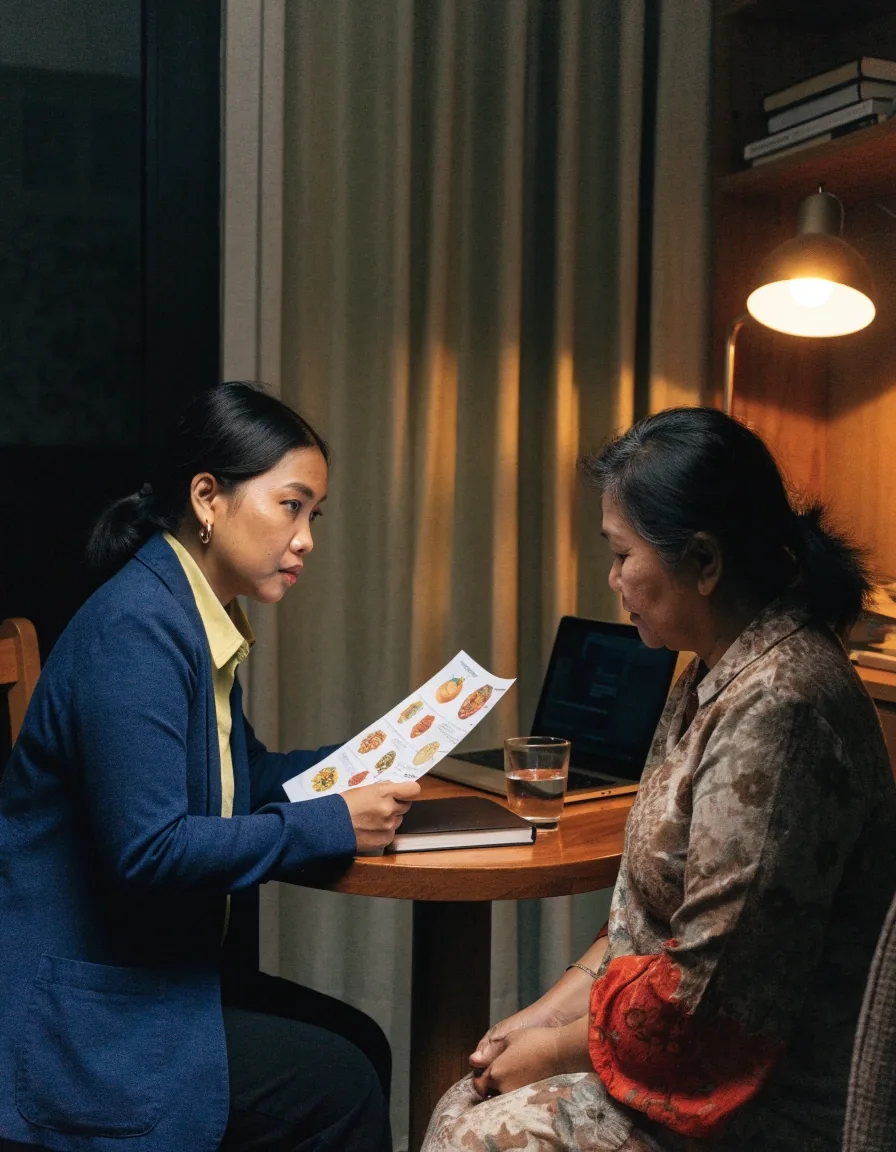
Distance from a major city stops being the deciding factor. What matters is whether you can describe a typical week and follow through on a small number of changes. Writing down your habits before the session gives the dietitian something concrete to work from, and it gives you a baseline to compare against later.
Online nutrition work in Indonesia has grown through app-based consultation services, and the useful parts of that model are borrowed here: a written intake, a record you can revisit, and a follow-up step instead of a one-off conversation. The difference is the format, which is built around family meal planning rather than a single appointment. Some services describe one-on-one guidance that looks at habits and goals as an ongoing process. That expectation is reasonable, and it is what the intake form is designed to capture.
Reading the plan between sessions
After your session, the written summary lists what to change first and what can wait. Pick the first item and run it for a week before adding the next. If a recommendation does not survive contact with your actual kitchen, say so at the follow-up. Plans that ignore cooking time, market prices, or a child's food preferences do not last, and the dietitian would rather adjust the document than have you abandon it.
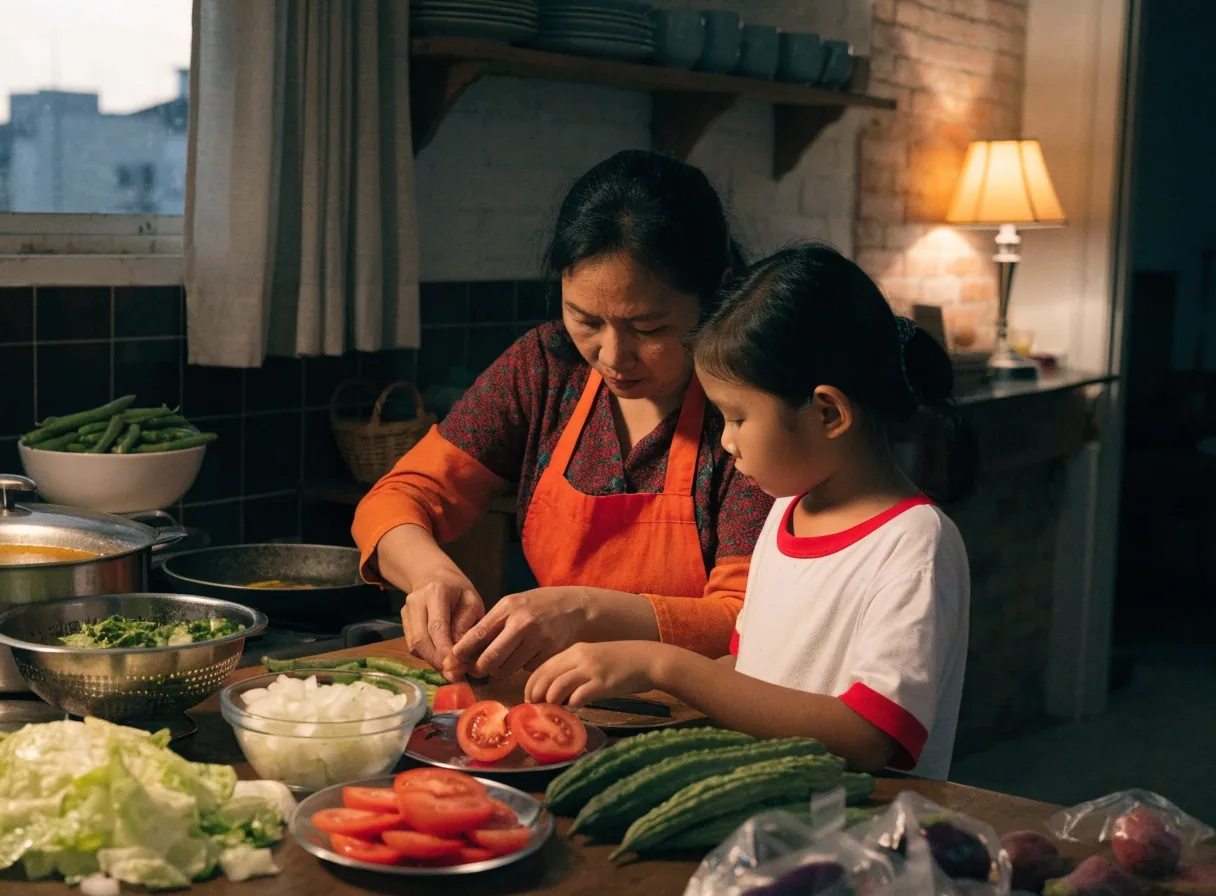
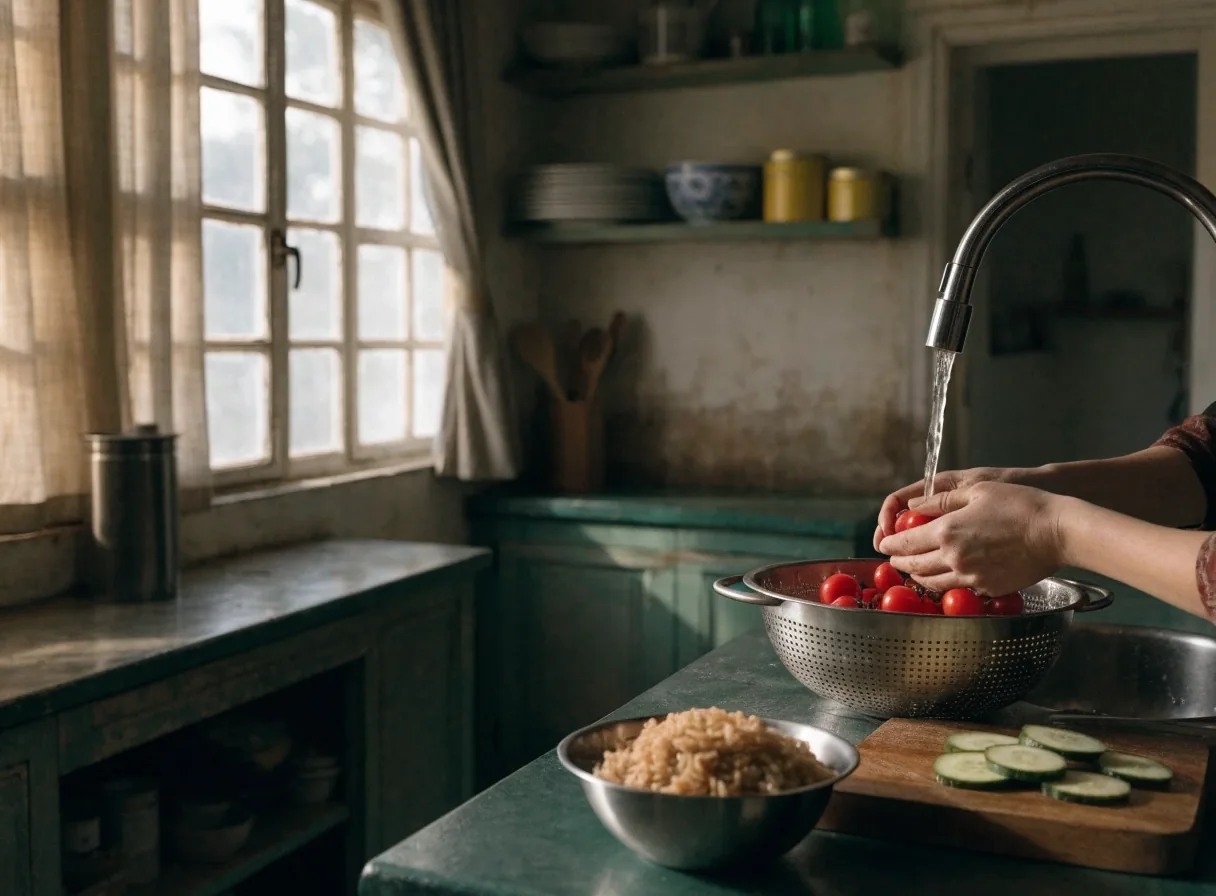
Three moments a week from now
The loop is ordinary and repeatable: record what the household actually eats, review it with a dietitian, adjust the plan, repeat. Here is what that looks like in three ordinary places.

What we will not do
This is nutrition education and meal-planning support, not medical treatment. The dietitians here do not diagnose conditions, prescribe medication, or replace your doctor. If your intake form mentions a condition that needs clinical management, the team will say so and ask for your treating professional to be involved.
That boundary keeps the advice honest. It also means the sessions stay focused on food, habits, portions, and the practical side of feeding a household well. If a goal falls outside what a nutrition consultation can reasonably address, you will hear that directly during registration review rather than after you have paid for a session.
Questions before you register
Short answers to what people most often ask before sending the form. If your situation is not here, the team can answer it directly.
Contact the teamHow do I prepare for an online nutrition consultation?
Complete the intake form as fully as you can and bring two or three days of food diary notes. Note the times you eat, the drinks you have, and roughly how much. If you take any medication, list it. You do not need lab results unless your dietitian asks.
What should I write in a food diary before booking?
Meals, snacks, drinks, and timing. Rough portions are fine. Include the snacks eaten while cooking and any sweet drinks, since those are the entries people most often leave out.
How do I choose between a written consultation and a scheduled session?
A scheduled video session suits first consultations and full weekly meal planning. A written consultation suits follow-up questions and small adjustments to a plan you already have.
What information is usually asked in a nutrition intake form?
Contact details, city, household size, your main goal, usual meal pattern, food preferences or restrictions, and any relevant health history you want the dietitian to know about.
How do I know whether a consultation is focused on meals, habits, or family nutrition?
Say so in the intake form. The dietitian confirms the focus before your session, and you can request a family-focused plan covering several people in one household.
What should a weekly meal plan include for Indonesian foods?
Local staples, seasonal vegetables, and protein sources you already cook with, portioned for your household. A plan that needs imported ingredients or unfamiliar cooking methods rarely survives a busy week.
Fill in the form when you have ten quiet minutes
Describe your household, your usual meals, and the one thing you most want to change. The team will confirm your jadwal konsultasi and tell you what to prepare before the session. That loop, record and review and adjust, works from any city in Indonesia with a phone signal.
Questions before you send the form? Call +62 411 362 5500 during office hours, Monday to Friday, 09:00–18:00.