Makassar, South Sulawesi
About Our Nutrition Consultation Service
Registered dietitians, structured intake forms and written meal plans for families across Indonesia. This page explains who handles your case and what shapes the advice.

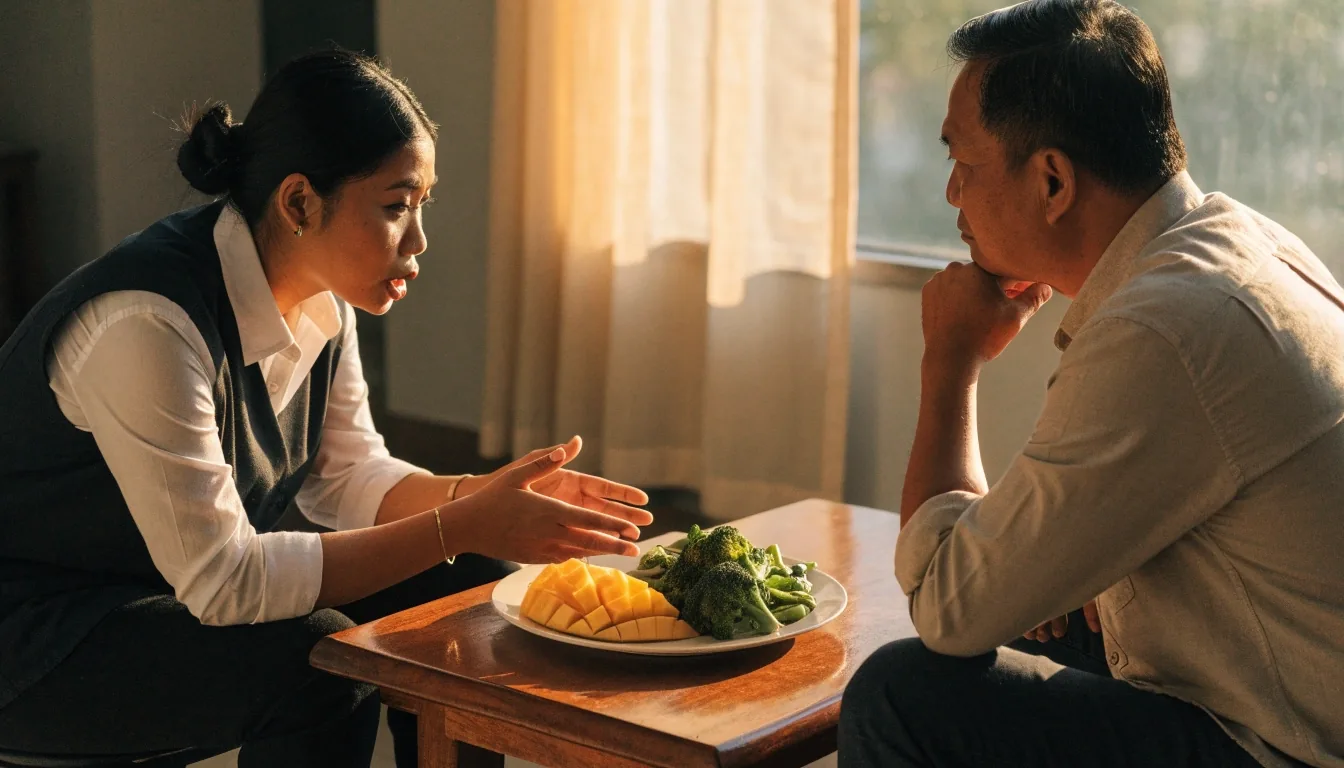
Administrative staff answer the phone and the inbox; dietitians read the food diaries. The two roles stay separate on purpose.
Who runs the service
Gizi Seimbang Online exists to make a conversation with a registered dietitian easier to start. The service runs from Makassar and works with families across Indonesia through structured intake forms, written meal plans, and follow-up sessions.
The team is based at Jl. Ahmad Yani No. 99 in Makassar, South Sulawesi. Administrative staff handle registration, scheduling, and reminders. Registered dietitians handle the consultations themselves, from intake review through to your written plan and follow-up notes.
That split matters. The person answering your scheduling question is not the person reading your food diary, and it keeps your time with the dietitian pointed at food rather than paperwork.
- Practice address
- Jl. Ahmad Yani No. 99, Makassar, Sulawesi Selatan, 90142
- Phone and email
- +62 411 362 5500 · [email protected]
- Office hours
- Monday to Friday, 09:00–18:00
How dietitians are selected
Every dietitian working here holds a recognised nutrition qualification and current registration as an ahli gizi or dietisien in Indonesia. Credentials open the door. What we screen for afterwards is whether the person can write a plan a household will actually cook.
Registration in Indonesia
A recognised nutrition qualification is the baseline, and it has to be current. We check registration as an ahli gizi or dietisien before a dietitian takes a single intake form, and we re-check it rather than assuming it stays valid on its own.
The practical consequence for you: the person reading your food diary is accountable to a professional register, not to a brand.
Plans a household can cook
We look for experience with family meal planning, familiarity with regional Indonesian ingredients, and comfort working through a written intake rather than an in-person examination. Someone who has only built plans around imported ingredients will struggle with a market in Makassar.
Candidates review sample cases during onboarding: households with mixed needs across children, adults, and older family members, where one menu has to work for everyone at the table.
Writing for the next session
A dietitian here keeps case notes structured around ADIME, the assessment, diagnosis, intervention, monitoring, and evaluation framework used in Indonesian nutrition practice. Notes are written for the next session, not for an archive.
When a case falls outside what a nutrition consultation can address, the dietitian says so and refers the person back to their doctor. We would rather lose a booking than have someone treat a meal plan as medical care.
The principles behind the advice
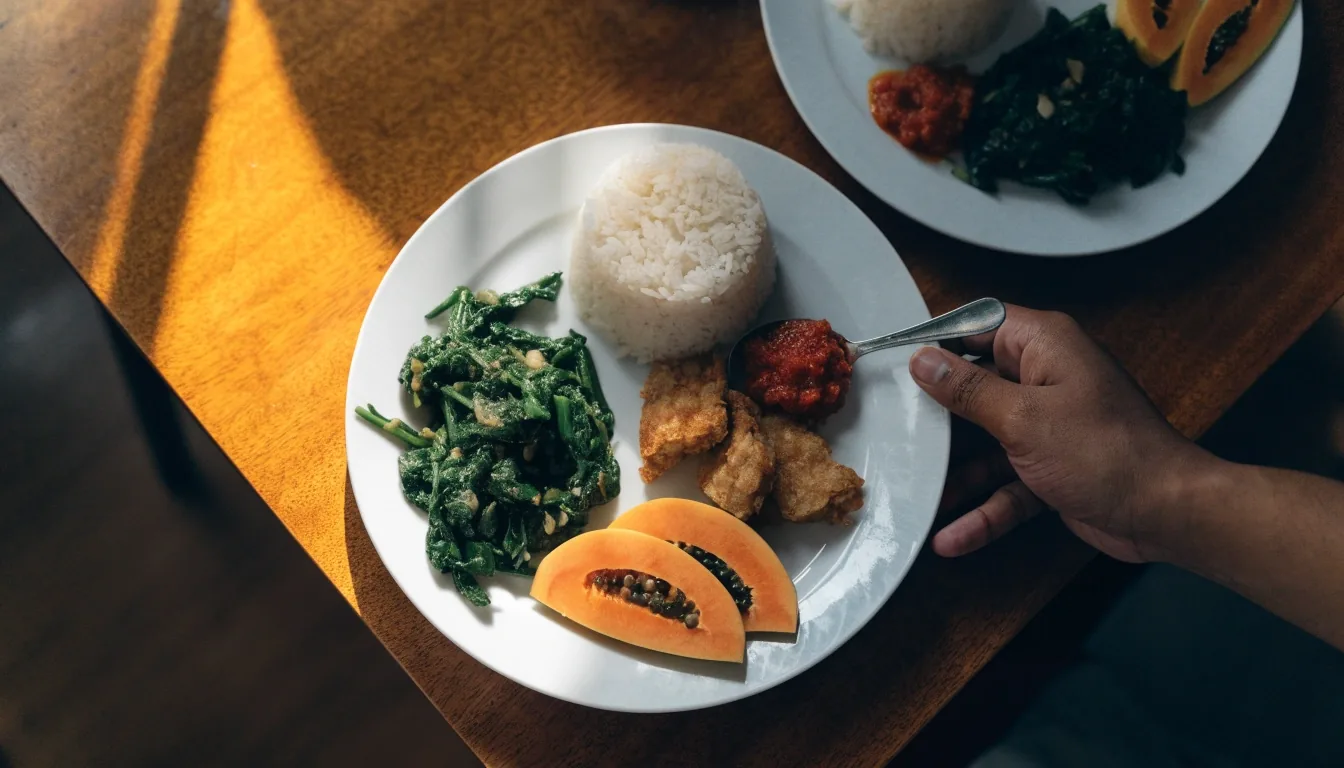
Advice starts from what you already eat. A plan built around food your household refuses to cook will not survive the first week, so the dietitian works with your usual dishes and adjusts portions, frequency, and preparation instead of replacing your whole menu.
Local ingredients come first, because they are affordable and available. Changes are introduced in small numbers. Every recommendation is written down so you can check it later rather than relying on memory of a call. Nutrition education and meal planning are the whole scope, and holding that line is what keeps the advice reliable.
What guides a plan here
- Your usual dishes stay on the menu; portions, frequency and cooking method are what change.
- Ingredients you can buy close to home come first, so the plan still works next month.
- Adjustments arrive a few at a time instead of as a new menu written from scratch.
- Everything agreed in a session is written into your plan, so you can check it later.
Learning from how others structure consultation
App-based nutrition services in Indonesia have shaped what people expect from an online consultation. Three patterns come up again and again, and each one taught us something we kept.
Gizi Nusantara
Supports meal-plan work, monitoring, and evaluation across age groups from infants to older adults. What we took from it: a consultation is a record that gets revisited, not a single call that ends.
Dietducate
Pairs education with consultation access, offering free entry points alongside paid one-on-one counselling. What we took from it: people arrive with questions before they arrive with a booking.
QNutriWell
Treats online scheduling as the convenience for busy users across the country, and that reasoning holds here. What we kept: appointments that fit an ordinary working week.
These services are run by other organisations; we mention them because their choices are visible in how people describe what they want from a dietitian. Our version of the same idea stays centred on family meal planning: a written record you can return to, built with the food your household already eats.
Why the service is remote-first
Indonesia is an archipelago, and a dietitian's office in one city is not reachable for everyone.
Remote-first also changes what you can prepare. You can photograph your kitchen, list what is in the market near you, and write notes over several days instead of summarising your diet in a waiting room. The intake form is designed for exactly that.
What this service is not
We do not diagnose, treat, or prevent disease. We do not sell supplements, meal replacements, or packaged programs. The dietitians here do not prescribe medication and do not replace your doctor or specialist.
If your intake form describes symptoms that need clinical attention, you will be told to see a treating professional. A dietitian here will work alongside that professional only when they are already involved in your care.
Nutrition education and meal planning are the whole scope. Staying inside it keeps the advice reliable, and it means a consultation is a supplement to your medical care, never a substitute for it.
How your notes are handled
The information you submit through the registration form and food diary is used to prepare your consultation and to keep a record of your plan over time. Case notes stay with the dietitian handling your file.
You can ask what is stored about you and request a copy of your plan at any point. The privacy policy sets out the detail on storage and your choices.
In short: your notes are for your care, not for anything else.
Getting in touch before you register
If you are unsure whether a consultation fits your situation, write to the team first. Describe your household, your goal, and the question you cannot answer on your own. You will get a direct reply, including a clear no if the service is not the right match.
That saves everyone a booking and keeps expectations honest from the start. It also gives the dietitian useful context if you do decide to register later.
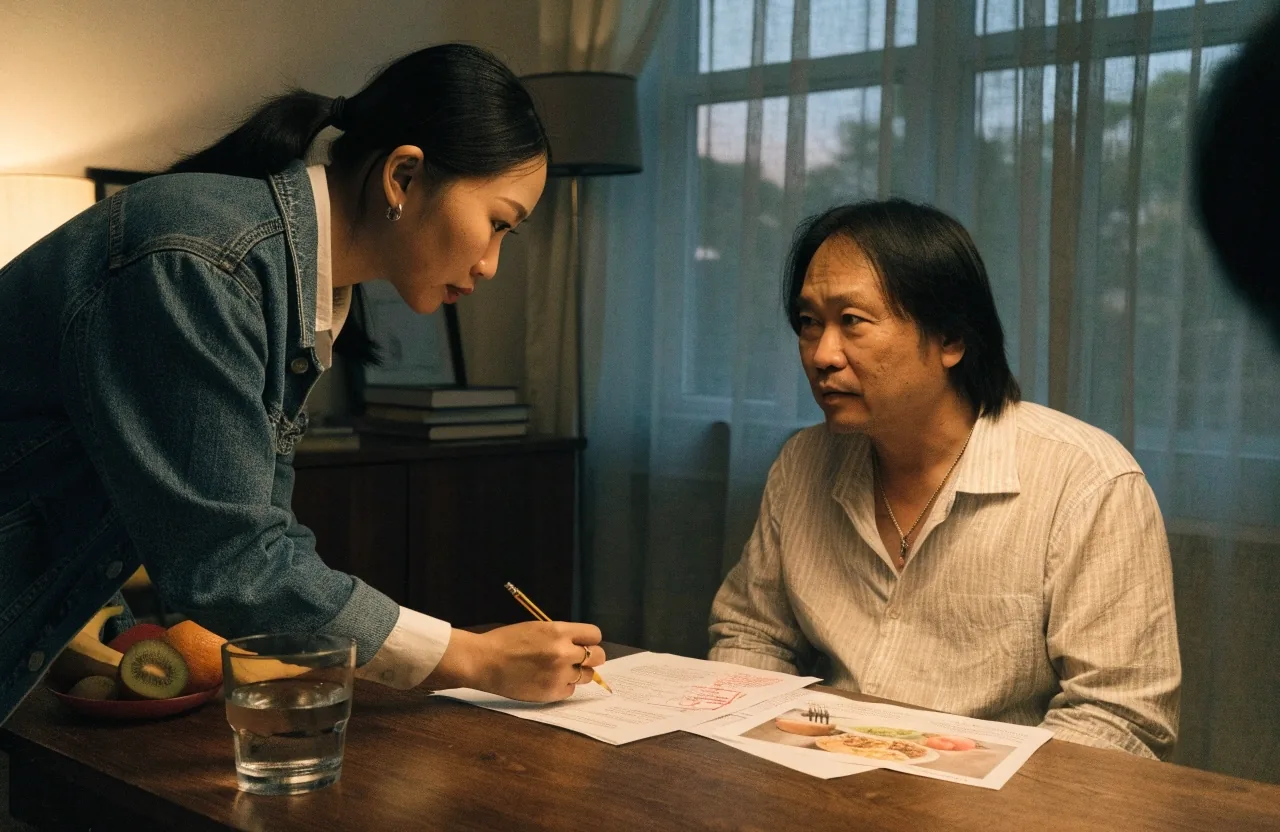
Consultations happen remotely, and the office at Jl. Ahmad Yani No. 99 is where registration, scheduling and reminders are handled.